

The Jiri to Everest Base Camp (EBC) Trek is the classic and original route to Mount Everest, used by early explorers before the construction of Lukla Airport. This long-distance trek offers an unmatched combination of history, cultural immersion, varied landscapes, and gradual acclimatization.
Starting from the mid-hills of Jiri, the trail slowly ascends through traditional villages, lush forests, and Sherpa settlements, eventually reaching the high alpine terrain of the Khumbu region and Everest Base Camp.
Overview
This unique, spiritual power that Everest seems to have is something that also draws people from all walks of life to this area, along with the stunning mountain views, spectacular and sometimes challenging terrain, and the beauty of the Sagarmatha National Park, home of the elusive snow leopard and red panda. Not for nothing has this area been included in the Sacred Himalayan Landscape initiative by the World Wildlife Fund (WWF).
And let’s not forget the magnificent mountain itself. In order to reach Everest Base Camp, the trail runs alongside the Khumbu Glacier, offering spectacular views of the Khumbu icefall and the route to the South Col. The aptly named Everest View Point at Kalapatthar offers you the best views of Mount Everest, as well as Mount Pumori and Ama Dablam.
Highlights
- Walk the original Everest expedition route.
- Authentic villages of Solukhumbu and Khumbu.
- Visit Tengboche Monastery.
- Sunrise hike to Kala Patthar (5,545 m).
- Gradual altitude gain, reducing the risk of altitude sickness.
- Diverse landscapes from green hills to glaciers.
- Less crowded trails before Lukla.
- Explore Everest Base Camp (5,364 m).
Itinerary
Cost Includes
- Transportation>
- Ground transportation from Kathmandu to Jiri by private vehicle or public bus.
- Flight from Lukla to Kathmandu (at the end of the trek).
- Permits & Documentation>
- Sagarmatha National Park Entry Permit.
- Khumbu Pasang Lhamu Rural Municipality Permit.
- All required local taxes and government fees.
- Accommodation>
- Teahouse accommodation during the trek (twin-sharing basis).
- Lodges in trekking villages from Jiri to Everest Base Camp.
- Meals>
- Three meals per day (breakfast, lunch, and dinner) during the trek.
- Tea or coffee with breakfast.
- Local and international menu options where available.
- Trekking Staff>
- Licensed, experienced trekking guide.
- Porter(s) (usually 1 porter for 2 trekkers).
- All staff salary, food, accommodation, insurance, and equipment.
- Equipment & Safety>
- Basic first-aid kit.
- Altitude sickness prevention guidance.
- Trekking route planning and management.
- Administration>
- Service charges and agency management costs.
- Emergency support and coordination (if required).
Cost Excludes
- International Travel & Visa>
- International airfare to and from Nepal.
- Nepal entry visa fee.
- Insurance>
- Personal travel insurance (must cover trekking up to 5,545 m and helicopter rescue).
- Meals in Kathmandu>
- Lunch and dinner in Kathmandu.
- Extra meals beyond the included trekking meals.
- Personal Expenses>
- Alcoholic and soft drinks.
- Bottled water and snacks.
- Hot showers, charging batteries, Wi-Fi, and internet use.
- Laundry services.
- Trekking Gear>
- Personal trekking equipment (sleeping bag, down jacket, boots, poles, etc.).
- Equipment rental costs (if needed).
- Tips & Gratitude>
- Tips for guide and porter (customary but not mandatory).
- Emergency & Unplanned Costs>
- Helicopter rescue or evacuation costs.
- Medical expenses.
- Costs due to itinerary changes, weather delays, or personal reasons.
- Optional & Extra Services>
- Additional porter or guide.
- Extra nights accommodation due to delays.
- Side trips not mentioned in the itinerary.
FAQS
Trekkers are advised to pack essentials like warm clothing, trekking shoes, and a down jacket. Altitude sickness is managed through gradual acclimatization, and guides are trained to recognize symptoms. Adequate hydration and communication with the guide are emphasized to ensure a safe trek.
The Jiri to Everest Base Camp Trek retraces the early Himalayan expeditions, offering a unique and less-trodden path. It spans 22 days, with 20 days of trekking, providing a comprehensive experience through lowland trails and high-altitude regions. Trekkers explore UNESCO World Heritage sites, ethnic villages, and reach the iconic Everest Base Camp, enjoying the expert guidance of Everest Alpine Trekking.
The itinerary is customization based on preferences and time constraints. Highlights include UNESCO sites in Kathmandu, ethnic village exploration, Everest Base Camp, and the exhilarating climb of Kalapathar for panoramic mountain views. Everest Alpine Trekking offers a flexible approach to cater to individual interests.
The cost covers accommodation, permits, meals during trekking, a professional guide and porter, and more. Emergency situations are managed through the trekking guide’s expertise, and the itinerary includes emergency rescue management. Trekkers are urged to have travel insurance for unforeseen circumstances.
Located at an altitude of 5,420 meters, the Cho La Pass is one of the most challenging sections of the Everest Base Camp trekking trail. This high mountain pass is known for its steep slopes and icy conditions, making it a difficult crossing for trekkers.
Jiri to Everest Base Camp distance is appro. 60 kilometres. The trek offers breathtaking scenery and stunning Himalayan mountain views. To make the trek more adventurous, we will take you to Gorgeous Gokyo Valley, where you can see stunning Gokyo Lakes and explore Gokyo villages.
Trekkers are advised to pack essentials like warm clothing, trekking shoes, and a down jacket. Altitude sickness is managed through gradual acclimatization, and guides are trained to recognize symptoms. Adequate hydration and communication with the guide are emphasized to ensure a safe trek.
The trail goes through high passes like Deurali Pass (2705m), Lamjura-La Pass (3530m), and Thaksin-La Pass (3071m). and join at Phakding and same route continue to Everest base camp.
Both solo and group travelers are welcome. The trek includes visits to UNESCO sites, interactions with Sherpa communities, and exposure to local culture. Solo travelers can join existing groups or opt for group departures facilitated by Everest Alpine Trekking, ensuring a rich cultural experience in the Everest region.
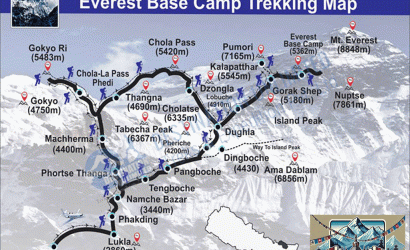
Jiri To Everest Base Camp Trek map