

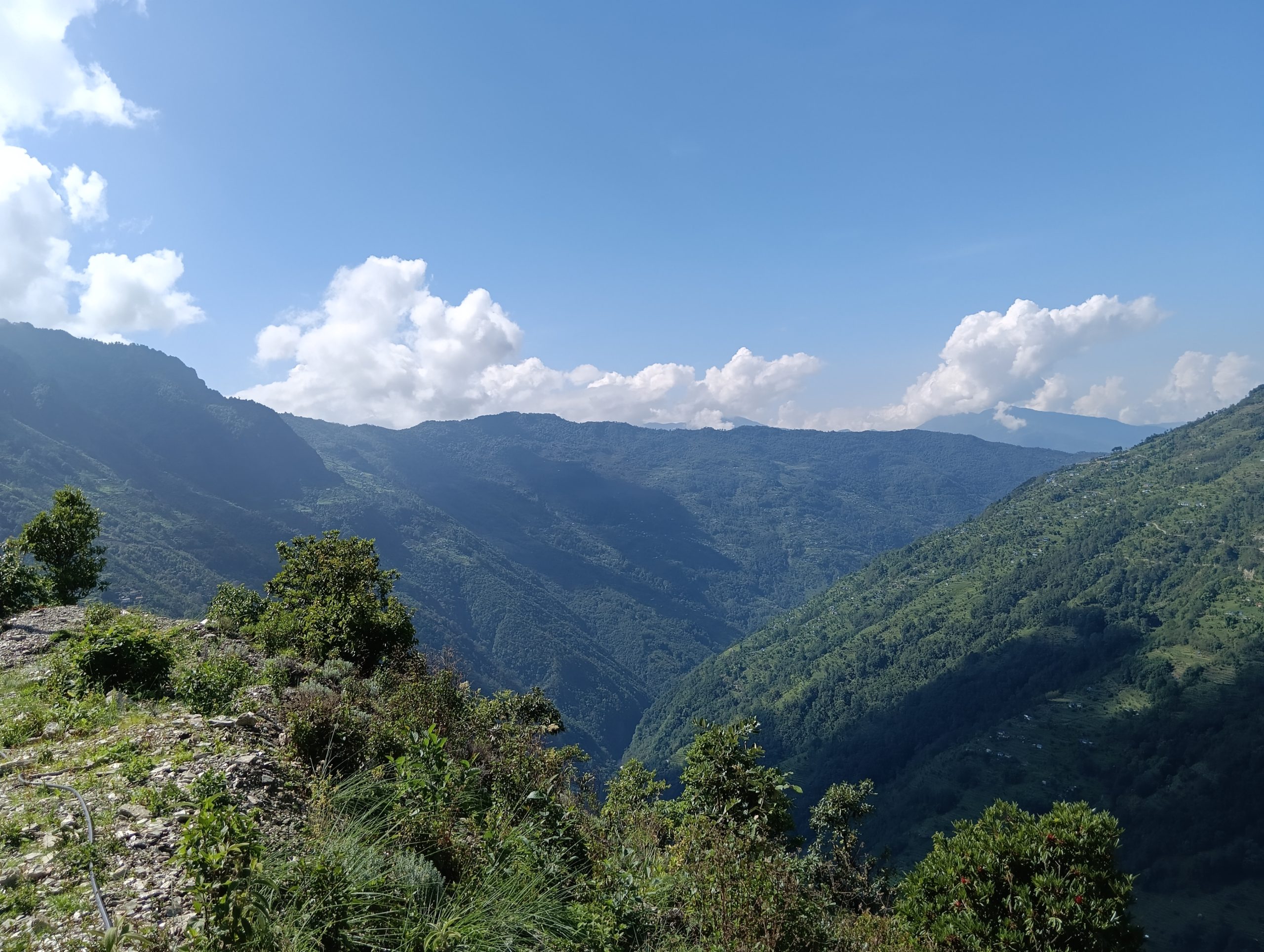
The Dhaulagiri Circuit Trek is one of Nepal’s most challenging and rewarding high-altitude trekking adventures, circling the world’s seventh-highest mountain, Mt. Dhaulagiri (8,167m). This remote and demanding trek offers a true wilderness experience, taking trekkers through isolated valleys, pristine glaciers, high mountain passes, and traditional villages untouched by modern development.
Located in western Nepal, the trek is suitable only for experienced trekkers with good physical fitness, strong mental endurance, and previous high-altitude trekking experience.
Overview
The trek usually begins with a drive from Kathmandu to Beni, followed by a gradual ascent through terraced farmland, forests, and riverside trails. As the trail enters higher altitude, the landscape changes dramatically into alpine terrain and glacial valleys.
Trip Highlights
- One of Nepal’s least-crowded and most adventurous treks.
- Remote camping in untouched Himalayan wilderness.
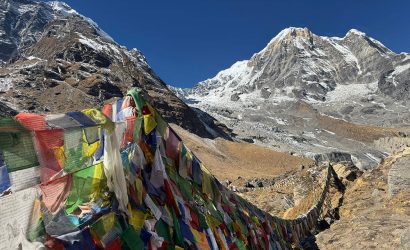
- Close views of Mt. Dhaulagiri (8,167m), Tukuche Peak, Dhampus Peak, and Annapurna I .
- Crossing two high mountain passes:
- Traditional villages of Magar and Gurung communities.
- French Pass (5,360m).
- Exploring the dramatic Hidden Valley.
- Dhampus Pass (5,240m).
- Walking on the Dhaulagiri Glacier.
Itinerary
Upon arrival in Tribhuvan International Airport, you will be warmly greeted by our representatives. After completion of official formalities, we pick our luggage and head towards a 4/3 star category hotel where you will be transferred to stay overnight.
You will be woken up with a morning call along with bed tea and breakfast. Today, we will enjoy sightseeing around Kathmandu the entire day including visits to some of the major places of the city such as Pashupatinath, Swayambhunath, Boudha and so on. These sites have been listed as World Heritage Sites by the UNESCO. We get back to our hotel in late evening and stay overnight
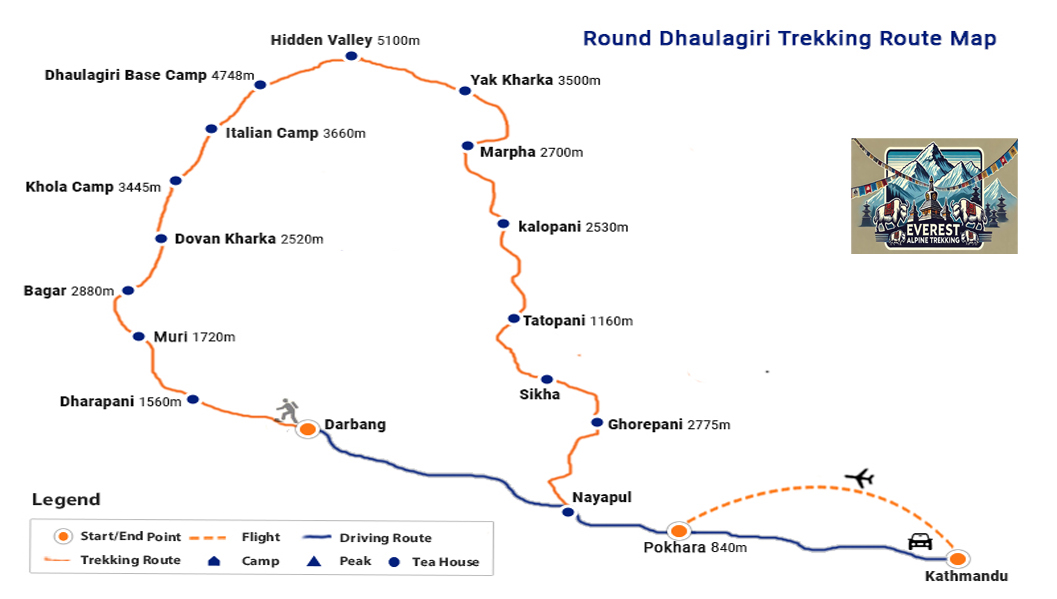
Beni is 82 kilometres away from Pokhara. So, we can either fly from Kathmandu to Pokhara and then further drive to Beni or directly drive from Kathmandu to Beni that takes 8 – 9 hours. Teahouse overnight
This is the first day of our trekking phase. With an early breakfast, we make our move towards Babichaur which is the end point for today. We go through some of the beautiful places such as Mangalghat, Singa and Tatopani. Camp or teahouse overnight.
The trail today, takes us through terraced hills, Shahashadhara village, Dudh Khola, Ratorunga village and then we ultimately reach Dharapani where we stay our night in our camp.
We take a steep climb today. With high hopes and expectations we continue our trek with full of enthusiasm. The viewpoint at the altitude of 1,850m, we gain clear views of Mt Dhaulagiri and some of the neighbouring mountain peaks. Camp overnight.
The path from this point is easier and takes us down below. Actually, there are a lot of ups and downs. Before reaching Boghara, we climb a steep path for a few hours and then descend down until Phedi. Again from Phedi we make a steep climb until Boghara. Camp overnight.
This day is quite difficult comparing to other trekking days. We need to use ropes in some of the strenuous sections. The trail takes us down to a small ridge and then to Jyardan. From here, we need to cross a rocky part in order to get to the other side in Dovan. Camp overnight.
Today we reach the Italian Base Camp. We make our camp in front of the western body of Dhaulagiri. Going through beautiful forests, we continuously gain altitude. Camp overnight.
We spend this valuable day with rest. Acclimatization is very important in certain intervals of days. This idea prevents us from getting victimized by Acute Altitude Sickness that can cause serious problems to our health.
This is one of the most strenuous part. We need to use our ropes technically and overcome the challenges. Passing through frozen glaciers we arrive in the Glacier Camp.
We keep an eye on our safety and make Dhaulagiri Base Camp our destination for today. We need to climb up steep and walk through icy glaciers.
We stay in Dhaulagiri Base Camp for acclimatization. We have already the idea of why acclimatization is so important for us throughout this journey.
The trekking region will examine our trekking skills today. With challenging and strenuous trail, we still make our move with strong determination. We reach the French Col to stay overnight in our camp.
The day takes us to another camp known as the Hidden Valley Camp. This camp in the hidden valley will provide us accommodation for tonight. We also explore the surrounding atmosphere to its advantage.
After passing the glorious Dhampus Pass [5,200m], we go through avalanche prone areas after then. The steep slope downwards will directly take us to Yak Kharka. Camp or teahouse overnight.
One of the most beautiful places of the country; Jomsom, is just 8 hours away from us. With curiosity, we trek as fast as possible. Upon arrival we explore around this enduring village and try to find out the hidden treasures there. Teahouse overnight.
We fly from Jomsom to Pokhara today. This short scenic flight offers you views of some of the glorious mountain peaks of the Annapurna Region through bird’s eye view. Upon arrival in Pokhara, it’s best to explore around some of the major sites of the city such as Lake Site and Sarangkot. Hotel overnight.
We travel all the way to Kathmandu today. We can either take a flight that takes 35 minutes or travel by a bus that takes 6 hours to reach. Hotel overnight.
You will be offered with a leisure day in the Kathmandu city this day. You can either go for a short sightseeing tour around the city or even do shopping as per your interest. We get back to our hotel in the late evening and enjoy a cultural show along with a farewell dinner in our hotel.
With unforgettable memories taken, we declare an end to our beautiful holiday in Nepal. Our representatives will escort you to the airport before 3 hours of scheduled flight time.
Cost Includes
- Airport pickup and drop (arrival & departure) by private vehicle.
- Ground transportation as per itinerary (bus/jeep/vehicle between Kathmandu, Pokhara, Darbang/Beni).
- Domestic flights (often Jomsom → Pokhara → Kathmandu) where included.
- Accommodations:
- • Hotel stays in Kathmandu and Pokhara (twin sharing with breakfast).
- • Teahouse or tented lodges during the trek (twin sharing).
- All meals during the trekking period (breakfast, lunch, dinner + tea/coffee on trek).
- Government permits: ACAP (Annapurna Conservation Area Permit), TIMS Card, and sometimes Restricted Area Permits (if required).
- Experienced, government-licensed English-speaking guide and required porters.
- Crew support including cook, kitchen helpers, equipment, and salaries/insurance for staff.
- Sleeping bag & duffel bag (provided for trek and to be returned after).
- First-aid kit and emergency support coordination.
- All government taxes and service charges.
Cost Excludes
- International airfare to/from Nepal and Nepal visa fee.
- Travel insurance (high-altitude + emergency evacuation coverage — mandatory).
- Meals in Kathmandu & Pokhara outside the trek (lunch/dinner).
- Personal expenses: phone calls, Wi-Fi, battery charging, laundry, etc.
- Bottled water & beverages (soft drinks, alcoholic drinks).
- Hot showers, snacks, energy bars, and extras on the trail.
- Tips/gratuities for guide, porters, crew (customary but optional).
- Extra nights’ accommodation or meals due to delays/itinerary changes.
- Personal trekking gear (boots, gear hire if not provided).
- Costs from unforeseen issues (weather, landslides, evacuation not covered by your insurance).
FAQS
The Dhaulagiri Circuit Trek is located in western Nepal, circling Mount Dhaulagiri (8,167m), the world’s seventh-highest mountain. The trek passes through Myagdi and Baglung districts and connects to the Annapurna region near Marpha.
The trek usually takes 18 to 21 days, depending on the itinerary, acclimatization days, weather conditions, and trekking pace.
The highest point of the Dhaulagiri Circuit Trek is French Pass (5,360m). Another high point is Dhampus Pass (5,240m).
It is one of Nepal’s least-traveled and most adventurous treks, offering:
01: Extreme wilderness.
02: Glacier crossings.
03: High mountain passes.
04: Very few trekkers.
05: A true sense of Himalayan expedition.
Mobile network and internet access are very limited or unavailable in higher and remote sections of the trek.
The best seasons are:
01: Spring (March–May) – stable weather and blooming landscapes
02: Autumn (September–November) – clear skies and excellent mountain views
03: Winter and monsoon seasons are not recommended.
Yes. Hiring a licensed and experienced guide is highly recommended and practically essential due to the technical terrain, remoteness, and safety concerns.
This is a very challenging trek and is considered an expedition-style trek. It is suitable only for experienced trekkers with good physical fitness and prior high-altitude trekking experience.
No. This trek is not suitable for beginners due to its long duration, remote location, high altitude, glacier crossings, and limited facilities.
01: Lower elevations: Basic tea houses
02: Higher elevations: Fully supported camping (tents)
03: This trek requires camping for several nights due to the lack of lodges in remote areas.
01; Annapurna Conservation Area Permit (ACAP)
02: TIMS Card
03: Restricted Area Permit (if applicable, depending on the route)
Yes. Since the trek goes above 5,000 meters, altitude sickness is a serious risk. Proper acclimatization, slow ascent, hydration, and experienced guides help reduce this risk.
Yes. Travel insurance is mandatory and must cover:
01: High-altitude trekking (above 5,000m)
02: Emergency helicopter evacuation
03: Medical treatment
Yes. The trek includes glacier walking, especially near the Dhaulagiri Glacier and high passes. Crampons, ice axes, and ropes may be required depending on conditions.
Meals are prepared by a trekking cook during camping days and include Nepali, Tibetan, and Western dishes. Tea houses provide basic meals in lower regions.
Temperatures can drop to –15°C to –20°C- 25’C at high camps, especially during night and early morning, depending on the season.
You should be able to walk 6–8 hours per day over rugged terrain while carrying a small daypack. Excellent physical fitness and endurance are required.
Charging facilities are limited and mostly unavailable during camping days. Carrying a solar charger or power bank is recommended.
Group size usually ranges from 2 to 10 and 15 trekkers. Smaller groups are preferred for safety and environmental reasons.
Dhaulagiri Circuit Trek Map