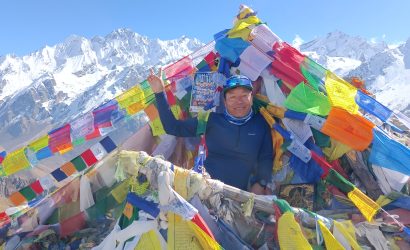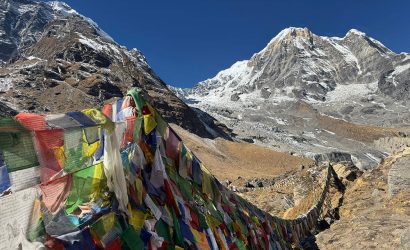


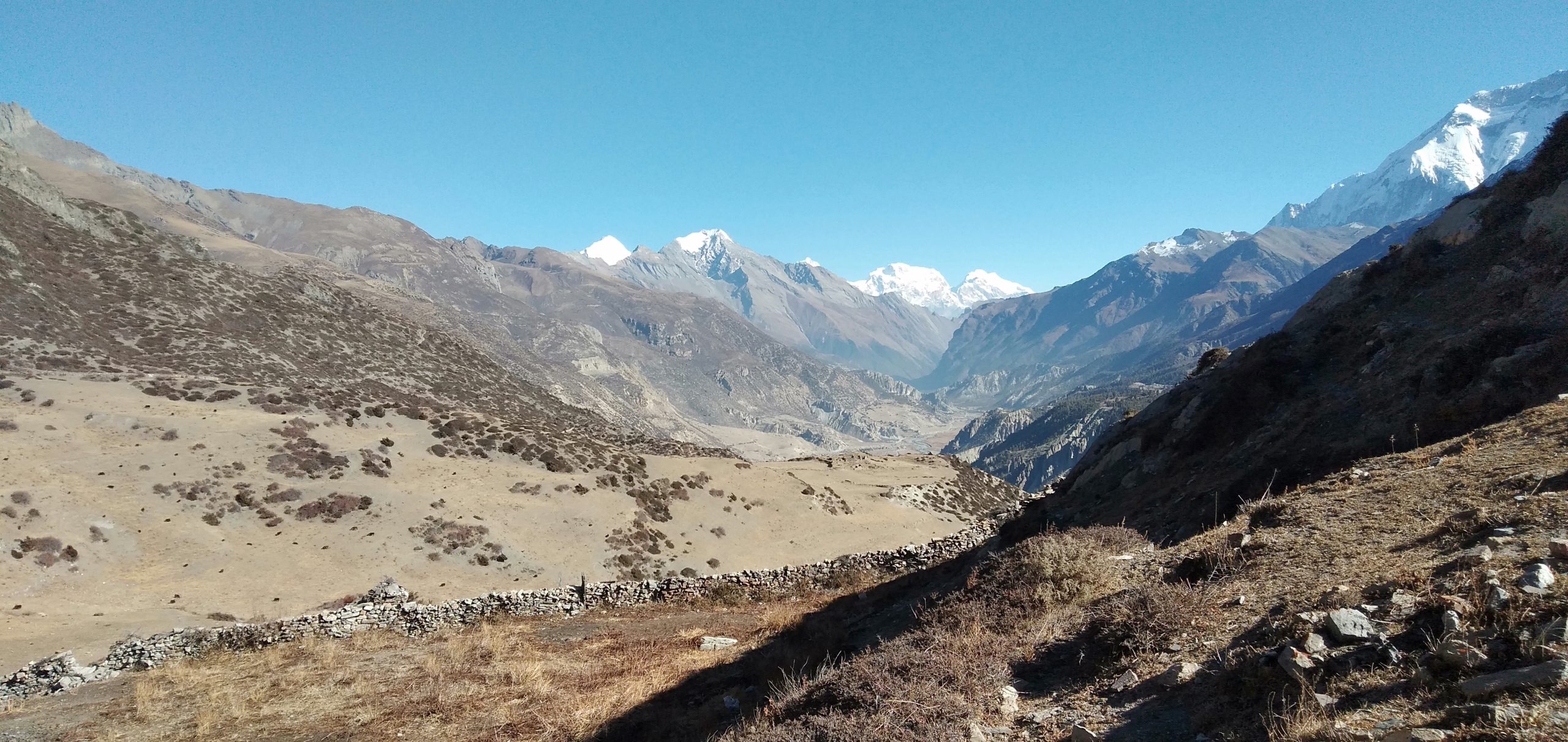
Api Himal Trekking is a remote and adventurous trekking route in far-western Nepal. It takes you into the wild and untouched landscapes of the Api Nampa Conservation Area, offering spectacular mountain views, rich biodiversity, and authentic local culture.
The trek is named after Api Himal (7,132 m), the highest mountain in western Nepal, which dominates the skyline throughout the journey.
Overview
Api Himal trek is really less tourist trekking destination and only camping trekking is possible in this areas. Autumn & Spring season is best time trekking in Api Himal but we Everest Alpine Trekking arrange around the year as per travelers / trekkers wish and holiday frame. Minimum three weeks holidays required for Api Himal trek as well as good physical fitness. API Himal trekking is really of the beaten path trekking tour in Nepal for nature, mountains, cultural heritage & Lush valleys.
Trip Highlights
- Rare wildlife like Himalayan thar and musk deer.
- Breathtaking views of Api Himal and surrounding peaks.
- Peaceful trails with very few trekkers.
- Traditional lifestyle of Byansi and local hill communities.
- Dense forests, alpine meadows, rivers, and waterfalls.
Itinerary
Everest Alpine Trekking and tour heartily welcome you on arrival at Tribhuvan International Airport (TIA). And escort you to the hotel. Stay overnight at hotel.
A visit to Boudhanath early in the morning and then to the city of devotees, Bhaktapur Durbar Square will purify your soul. We go for a full day sightseeing of Kathmandu Valley.
After the morning breakfast, we leave Kathmandu for some weeks and fly to Nepalgunj. A brief 1-hour flight takes us to Nepalgunj and from there we drive towards Gokuleshwor. After 15 hours of the continuous drive, we reach today's destination.
We begin our first day of the trek from Gokuleshwor to Karkale. During the trek, we go by watching the amazing views of the mountain. Trek begins after lunch only as it is the shortest day of the trek. In 2 hours walk from Gokuleshwor, we reach Karkale.
We move towards Chiureni Village soon after breakfast. It takes 6,5 hours to reach the village. Chiureni got its name from Chiuri which means butter tree in Nepali. We can see many butter trees in that village.
Our destination is Makarighat. The trail goes through some narrow and straight paths and follows the Chamliya Khola. It takes 5-6 hours from Chiureni to reach Markarighat.
Today our trail leads us towards the city after ascending 1,200m. By crossing some disperse villages we reach Seti after 6 hours continuous walk.
Today is our last day trek in the Lawathi Village. As many years ago trekkers came there so this place is also known as Saheb Bagara. During today's trek, we go up and downhill. About in 4 hours, we reach Lawathi. Overnight at camp.
Passing through the dense forest we start our trek towards Simar. During the summertime, we can find the half plant and half insect named yarsagumba. The fascinating thing about yarshaghumba is that it lives as a plant during summer and as an insect in winter. it is believed by the Nepali people that it has a big benefit on the immune system. After 6-7 hours walk, we spent our night in Simar.
After breakfast, we go straight towards Dhawaliwadar. In the past, people stayed in the caves of Dhawaliwader. Walking through the forest by viewing the mountain scenery and crossing through the small stream we reach at Dhawaliwadar in 4-6 hours walk.
Walking about 3 hours from Dhawaliwadar we reach the Mt. Api Himal Base Camp. Over there we go to see the holy lake above the base camp, about 2 hours walk to the holy lake Kalidhunga and return back.
Today we start returning from the trek and settle for Bagar. After breakfast, we head down from the base camp to reach Saheb Bagar. It takes 6 hours to get there.
After the continuous walk of 6-7 hours, we reach Makarighat from the Saheb Bagar.
We move towards Bitule from Makarighat, we need to walk for about 6 hours. After reaching there we have a rest and spend a night.
Passing through the many villages we move towards Gokuleshwor from Bitule, it takes about 6 hours to reach there.
Today we give our legs the rest they deserve and drive towards Dhangadi. It takes 14 hours to reach there by vehicle.
Today we come back to the Kathmandu after many days by taking the memories from the Api Himal Trek.
Our representative will be escorting you to the airport 3hrs before the departure time.
Cost Includes
- Airport pickup and drop in Kathmandu.
- Hotel accommodation in Kathmandu (before and after trek).
- Domestic transport (Kathmandu – Dhangadhi/Nepalgunj – Darchula and return).
- All required trekking permits (Api Nampa Conservation Area permit and special permits if needed).
- Experienced licensed trekking guide.
- Porter service (1 porter for 2 trekkers, carrying approx. 20–25 kg).
- Camping equipment (tents, kitchen gear, dining setup).
- All meals during trekking (breakfast, lunch, dinner).
- Guide and staff salary, insurance, and equipment.
- First aid kit and basic medical support.
- Government taxes and service charges.
Cost Excludes
- International flight tickets to/from Nepal.
- Nepal entry visa fees.
- Personal travel insurance (mandatory, must cover high-altitude trekking and emergency evacuation).
- Personal trekking equipment (boots, jackets, sleeping bag, etc.).
- Alcoholic drinks, soft drinks, tea/coffee outside meals.
- Extra hotel nights in Kathmandu due to early arrival or late departure.
- Tips for guide and porter (expected but not mandatory).
- Emergency evacuation or helicopter rescue (if needed).
- Personal expenses (laundry, phone calls, snacks, souvenirs).
FAQS
Spring season (March to June) and autumn season (September to December) are the best time to do this trek, in winters it’s difficult to trek in snow and harsh cold.
Api is the highest peak in the Yoka Pahar Section of Gurans Himal, part of the Himalayas in the extreme northwest corner of Nepal, near the border with Tibet.
Api himal is a Rural council (Gaupalika) in Darchula District in the Sudurpashchim Province of far-western Nepal. Api himal has a popul.
Api Himal 7132m is the highest mountain in western part of Nepal in Guras Himal. Api Himal Climbing is included as one of the untouched and remote mountains. The first ascent of Api occurred in 1960.
Mt. Api is the highest mountain of the Yoka Pahar section of the Guras Himal which is situated at the most rural district, Darchula district, Sudur Paschim Province, western Nepal. The height of the mountain is 7132 m. This mountain peak is less-visited as it is situated in the rarely visited and rural part of Nepal.
The API Base Camp trekking starts with a scenic flight from Kathmandu to Dhangadhi (optional: arrival in Delhi and a bus ride to Dhangadhi). From Dhangadhi, we will drive to Latinath, the start point of the trek, and walk up to the base camp of Mt. Api past Pagibagar, Maakrigadi, Siti, Domal, and Daulo Odar.
ANCA is located between 29° 30′ to 30° 15′ North Latitude and 80° 22′ to 81° 09′ East Longitude, in the Far-Western Development Region and characterized an ecologically diverged region of Nepal. Api Nampa Conservation Area occupies 1903 sq km of Darchula district varies in altitudes from 539 to 7132 meters.
Other large mammals include: common langur (Semnopithecus entellus), jackal (Canis aureus), small number of grey wolf (Canis lupus) (V), Himalayan black bear (Selenarctos thibetanus) (V), Red panda (Ailurus fulgens) (V), snow leopard (Uncia uncia) (E), Himalayan musk deer (Moschus chrysogaster), Serow (Capricornis.
Map