
Tibet

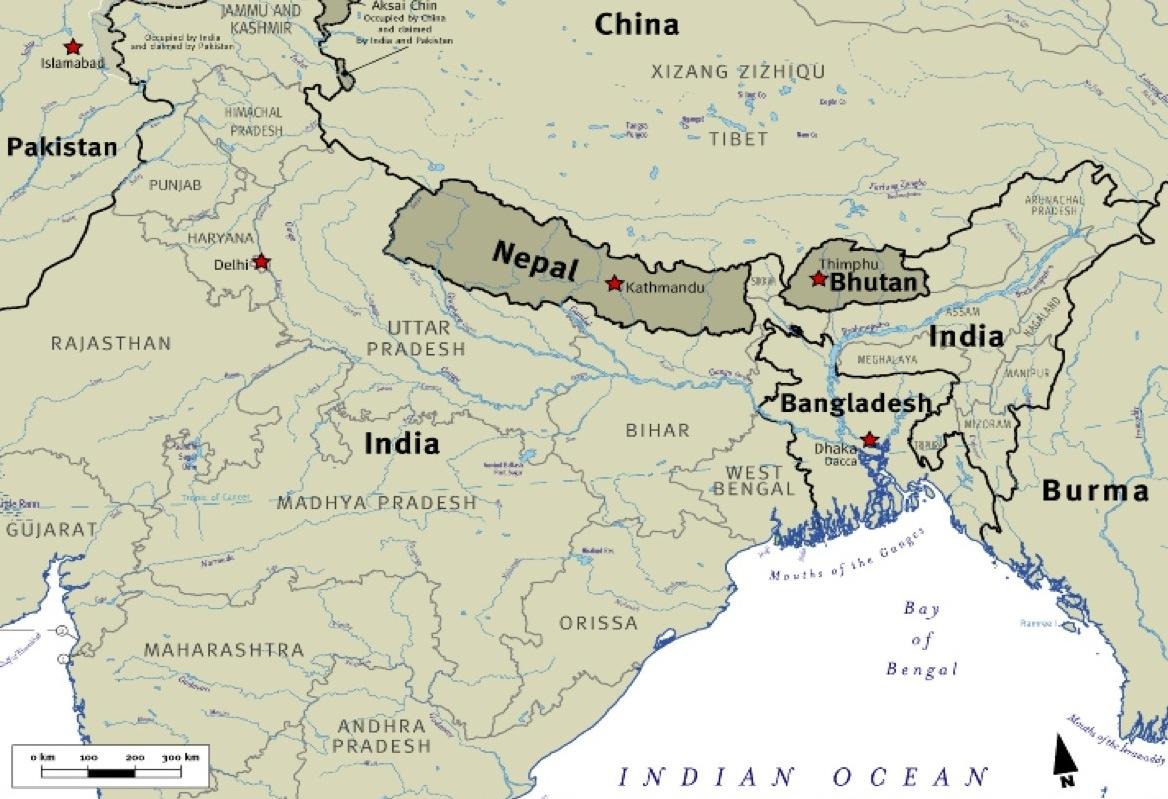
Tibet, officially known as the Tibet Autonomous Region (TAR) of China, is located on the world-famous Tibetan Plateau in Central Asia. Often called the “Roof of the World,” Tibet is renowned for its high altitude, breathtaking landscapes, deep spiritual traditions, and unique cultural identity.
Geography and Landscape:
Tibet is the highest region on Earth, with an average elevation of over 4,500 meters (14,800 feet) above sea level. It is surrounded by some of Asia’s greatest mountain ranges, including the Himalayas, and contains the northern face of Mount Everest (Qomolangma). The region features vast plateaus, snow-covered peaks, alpine lakes, grasslands, and major river sources such as the Yangtze, Indus, Brahmaputra, and Mekong.
Culture and Heritage:
Tibetan culture is deeply influenced by Tibetan Buddhism, which shapes daily life, festivals, art, and architecture. Monasteries such as Potala Palace, Jokhang Temple, Sera, Drepung, and Tashilhunpo are central to Tibetan spiritual and cultural life. Traditional prayer flags, prayer wheels, thangka paintings, and religious ceremonies are common sights.
The Tibetan people have preserved a strong cultural identity through language, dress, music, and customs, despite the region’s harsh environment.
01: Tourism and Attractions.
02: Tibet attracts travelers seeking.
03: Spiritual and religious experiences.
04: High-altitude adventure and scenic exploration.
05: Cultural and historical sites.
06: Pilgrimage journeys and meditation retreats.
Key destinations include Lhasa, the spiritual heart of Tibet; Mount Kailash, one of the most sacred mountains in the world; Namtso and Yamdrok Lakes; and the Everest Base Camp (north side).
Expedition 8000m
An 8,000-meter expedition represents the highest frontier of human mountaineering ambition. Rising into the “Death Zone,” where oxygen levels drop below one-third of those at sea level, these colossal Himalayan and Karakoram peaks challenge the limits of physiology, psychology, skill, and spirit.
Only fourteen mountains on Earth exceed 8,000 meters, yet each demands absolute respect, preparation, and resilience from those who attempt to stand on their summits.
An 8,000-meter expedition stands among the most demanding endeavors humans can undertake. It requires profound respect for nature, meticulous preparation, and unwavering discipline. Success is never guaranteed, and wisdom often lies in knowing when to turn back.
In the thin air above the clouds, where mistakes are unforgiving and courage is tested at every step, climbers discover not only the height of the mountains—but the depth of the human spirit.


- Jan
- Feb
- Mar
- Apr
- May
- Jun
- Jul
- Aug
- Sep
- Oct
- Nov
- Dec


- Jan
- Feb
- Mar
- Apr
- May
- Jun
- Jul
- Aug
- Sep
- Oct
- Nov
- Dec


- Jan
- Feb
- Mar
- Apr
- May
- Jun
- Jul
- Aug
- Sep
- Oct
- Nov
- Dec
Tours
Nepal’s cultural heritage is rich and diverse, evident in its historic cities like Kathmandu, Bhaktapur, and Patan, where ancient temples, palaces, and UNESCO World Heritage Sites stand as testaments to the country’s glorious past. Nepal is also a major religious hub with many pilgrimage sites for followers of Buddhism and Hinduism, such as the Pashupatinath Temple and the Boudhanath Stupa.


- Jan
- Feb
- Mar
- Apr
- May
- Jun
- Jul
- Aug
- Sep
- Oct
- Nov
- Dec


- Jan
- Feb
- Mar
- Apr
- May
- Jun
- Jul
- Aug
- Sep
- Oct
- Nov
- Dec

- Jan
- Feb
- Mar
- Apr
- May
- Jun
- Jul
- Aug
- Sep
- Oct
- Nov
- Dec