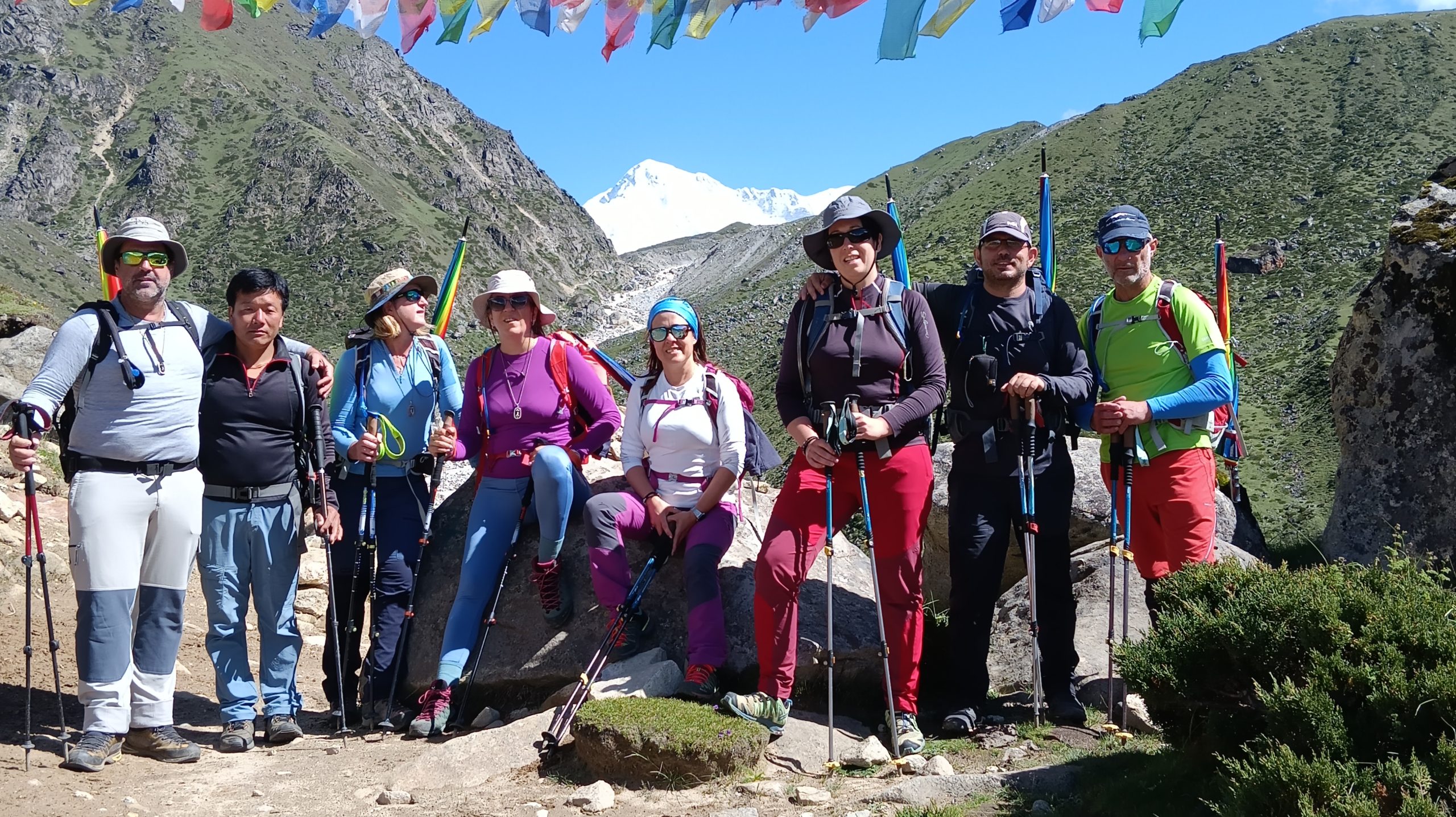
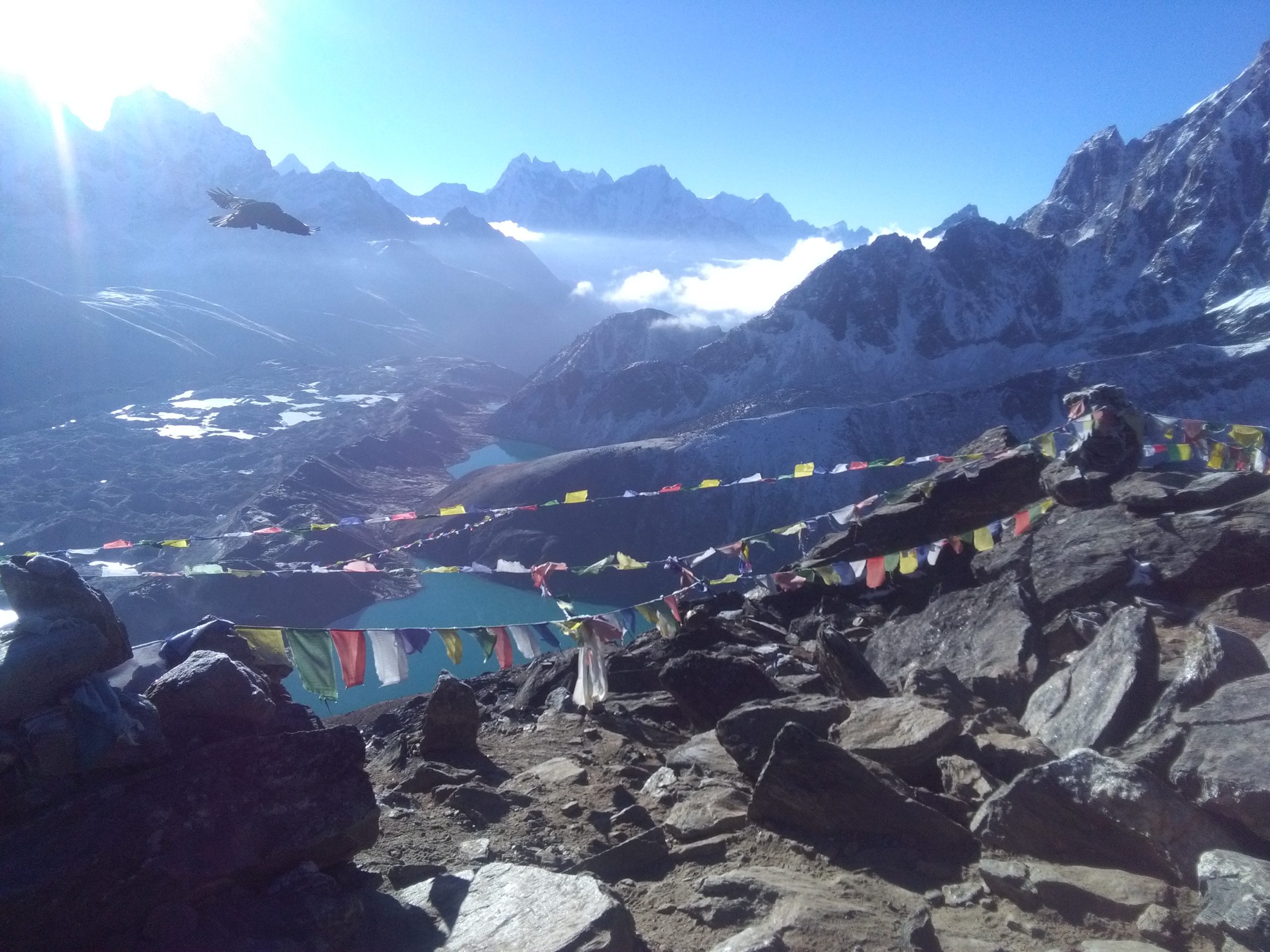
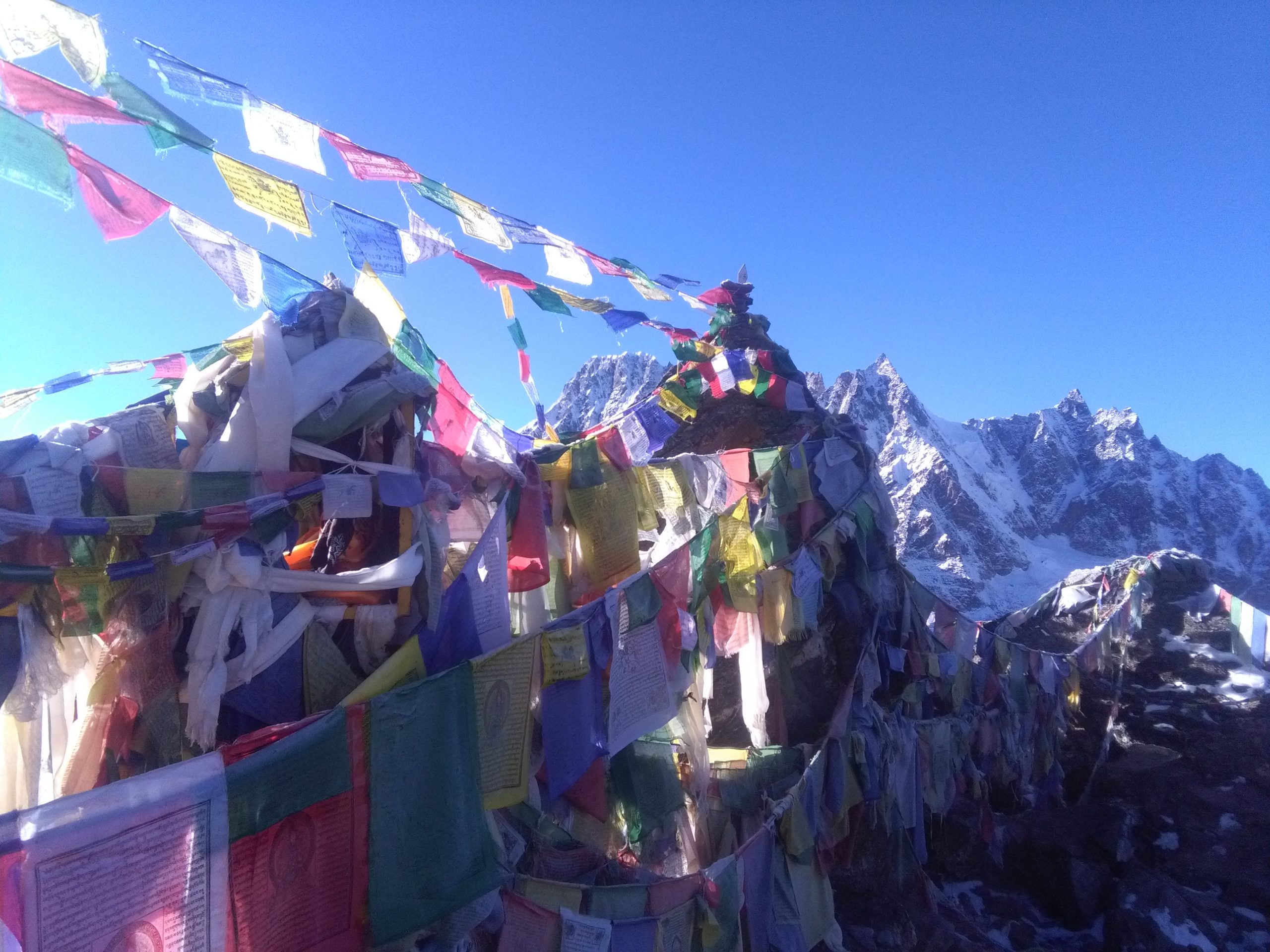
The Gokyo Lakes Trek is one of the most spectacular trekking routes in the Everest region of Nepal. Famous for its turquoise glacial lakes, stunning mountain views, and peaceful high-altitude landscapes, this trek offers a serene alternative to the more crowded Everest Base Camp route.
The trek is located in the Solukhumbu District of Nepal and lies within Sagarmatha National Park, a UNESCO World Heritage Site. Most trekkers start from Lukla Airport, accessible via a short flight from Kathmandu. From Lukla, the trail follows the Dudh Koshi Valley, passing through iconic Sherpa villages like Namche Bazaar, Khumjung, and Phortse.
Overview
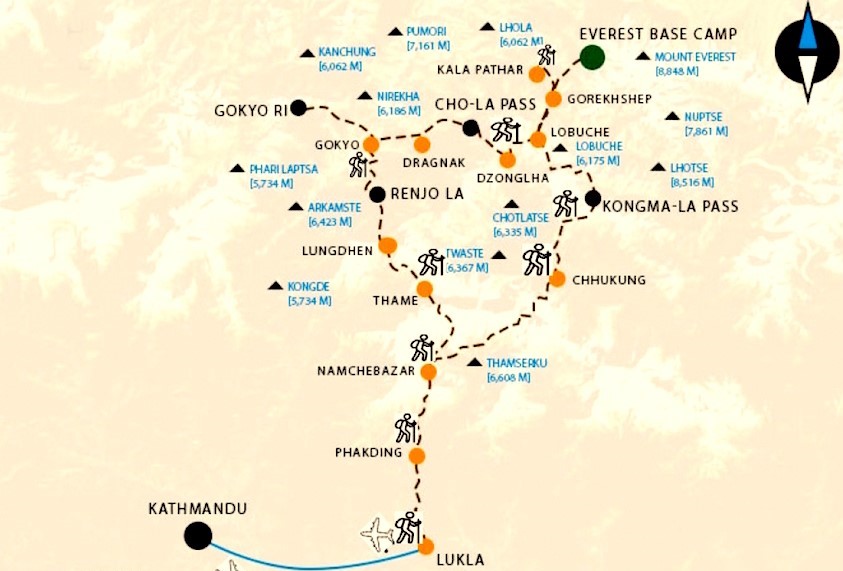
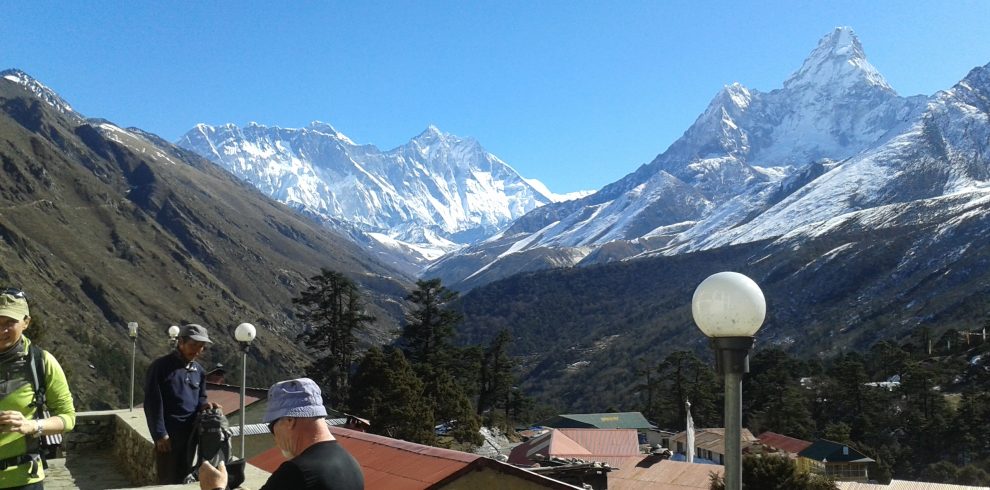
Trekking to Everest Base Camp via the Gokyo Ri and Cho La Pass route, known for its stunning blue lakes and the Cho La Pass. The Khumbu region’s attractions, friendly Sherpas, vibrant monasteries, Namche Bazaar, Sagarmatha National Park, and mighty Everest will all be your companions on this walk. The journey will offer incredible views of the Himalayan range from places like Gokyo Ri and Kala Patthar. The magnificent views of several peaks, including Cho Oyu, Everest, Lhotse, Makalu, Nuptse, Ama Dablam, and Pumori, will make the trek to the EBC Trek via Gokyo Cho La Pass an unforgettable experience.
Trip Highlights
- Gokyo Ri: A summit offering panoramic views of Everest, Lhotse, Makalu, Cho Oyu, and other Himalayan giants.
- Gokyo Lakes: A series of five high-altitude turquoise lakes with crystal-clear water.
- Gokyo Village: A small settlement near Gokyo Ri offering breathtaking lake views.
- Dingboche: Picturesque alpine village with views of Ama Dablam.
- Namche Bazaar: The main Sherpa trading hub and acclimatization stop.
Itinerary
Arrive at Tribhuvan International Airport in Kathmandu.
Transfer to hotel.
Trek briefing and preparation of permits.
Overnight in Kathmandu.
Early morning flight to Lukla.
Trek begins along the Dudh Koshi River, passing small villages and pine forests.
Overnight in Phakding.
Trekking Time: 3 – 4 hours
Accommodation: Teahouse
Trek through rhododendron forests, suspension bridges, and villages.
Enter the Sagarmatha National Park.
Arrive in Namche Bazaar, the main trading hub.
Overnight in Namche.
Trekking Time: 5–6 hours
Accommodation: Teahouse
Optional hikes to Everest View Hotel or Khumjung Village.
Explore local culture, monasteries, and markets.
Important day for acclimatization.
Trek through pine forests, crossing suspension bridges.
Views of Thamserku and Kusum Kanguru.
Overnight in Dole.
Trekking Time: 5–6 hours
Trail passes steep ridges and small villages.
Beautiful views of Cho La and Ngozumpa Glacier.
Overnight in Machhermo.
Trekking Time: 4–5 hours
Trek alongside Ngozumpa Glacier, the largest glacier in Nepal.
Arrive at Gokyo Village near the turquoise Gokyo Lakes.
Explore the first lake, Dudh Pokhari.
Trekking Time: 5–6 hours
Early morning hike to Gokyo Ri for panoramic views of Everest, Lhotse, Makalu, and Cho Oyu.
Return to Gokyo for overnight stay.
Trekking Time: 4–5 hours.
Trek to Thagnak Village, passing smaller lakes like Gyazumpa Lake and Tanjung Lake.
Overnight in Thagnak.
Trekking Time: 4–5 hours.
Trek over the challenging Cho La Pass with amazing Himalayan views.
Descend to Dzongla for overnight stay.
Trekking Time: 7–8 hours.
Trek through moraine landscapes and mountain passes.
Arrive in Lobuche, a small settlement near Everest Base Camp route.
Overnight in Lobuche.
Trekking Time: 5–6 hours.
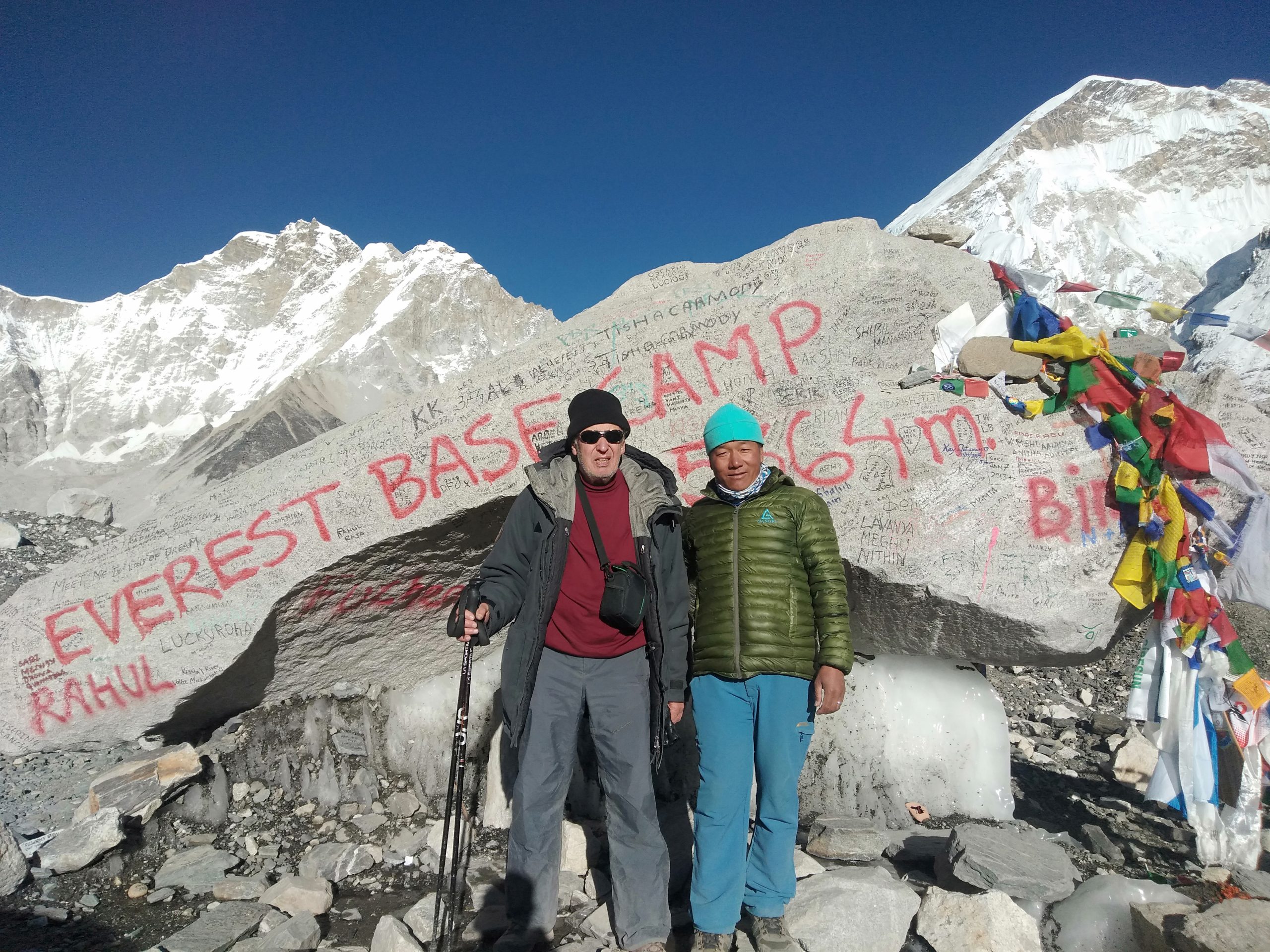
Early morning trek to Everest Base Camp.
Explore the base of the world’s highest peak.
Return to Gorak Shep for overnight stay.
Trekking Time: 7–8 hours.
Sunrise hike to Kala Patthar for the best view of Everest.
Descend through Lobuche to Pheriche for overnight stay.
Trekking Time: 7–8 hours.
Trek down through rhododendron forests and villages.
Arrive in Lukla for overnight or flight back to Kathmandu the next morning.
Trekking Time: 6–7 hours.
Cost Includes
- Airport Transfers:>
- Pickup and drop from Kathmandu airport.
- Transfer to hotel in Kathmandu.
- Domestic Flights:>
- Round-trip flight Kathmandu – Lukla – Kathmandu.
- Accommodation:>
- Hotel in Kathmandu (usually 1–2 nights before/after trek).
- Teahouse/guesthouse accommodation along the trekking route.
- Meals:>
- Breakfast in Kathmandu hotel
- Breakfast, lunch, and dinner during trekking (as per package).
- Trekking Staff:>
- Experienced guide(s) (English-speaking, trained in first aid).
- Porters to carry luggage (usually 1 porter per 2 trekkers).
- Permits and Fees:>
- Sagarmatha National Park Entry Permit.
- Khumbu Pasang Lhamu Rural Municipality Permit.
- TIMS (Trekkers’ Information Management System) card.
- Equipment:>
- Sleeping bags (if provided by trekking company).
- First aid kit for emergencies.
- Support:>
- Airport pickup and drop in Lukla.
- Trekking briefing and itinerary planning.
Costs Exclude
- Personal Expenses:>
- Drinks (water, tea, coffee, soft drinks).
- Snacks and energy bars.
- Laundry.
- Travel Insurance:>
- Mandatory insurance for trekking at high altitude, including medical evacuation.
- Tips:>
- Tips for guides, porters, and staff (optional but recommended).
- International Flights:>
- Kathmandu international flights to/from your home country.
- Extra Accommodation:>
- Hotel stays outside the itinerary.
- Additional nights in Kathmandu.
- Equipment Rental (if needed):>
- Trekking poles, down jackets, boots, sleeping bags (if not provided).
- Medical Costs:>
- Any personal medical expenses or medications.
FAQS
Gokyo Valley Trek isn’t as difficult as other strenuous treks in the Himalayas. It has moderately suitable trails that can be traversed by any hiker, even beginners with strong physical health. The paths to Gokyo Valley are unpaved with several highs and lows, which can be stressful for trekkers.
They may encounter rock steps with steep ascents, and descents full of loose rocks and streams which are harder to climb. Ngozumpa Glacier is probably the most challenging section of the entire trek. It has trails covered in snow which makes the hiking a bit tricky. But, apart from that, the trek can be easily done without any difficulties.
Whether or not you have trekked earlier but, hiring a porter is always a great idea during a trip to Gokyo Valley. They’ll help you with the luggage on the trail and make it somewhat easier walking the mountainous terrain. Porter in Khumbu Valley can carry up to 25 kg of weight for US20 to US$25.
Trekking Gokyo Valley without a guide is possible if the trekkers are fully aware of the route. Otherwise, it’s best to rent a professional trek guide who can navigate you all along the way. They’ll guide you throughout the way and even take care of your essentials. Depending on the Gokyo Valley Trek itinerary, they might charge you anywhere from US$30 to US$35.
Gokyo Valley Trek costs around US$1,350 for each individual hiker. The amount covers the expenses of a three-time meal, accommodation, and a domestic flight to Lukla. Within the travel package, you’ll also get the essential trekking equipment like a duffle bag, hiking poles, and jacket required for the trek.
After the hike is finished, trekkers will have to return the gear to Everest Alpine Trekking. Apart from the elemental gear, trekkers will be in charge of personal expenses, including snacks, hotel, and other luxurious items.
Although it’s one of the highest settlements in Nepal, Gokyo Valley has plenty of accommodation options to offer trekkers. There are lodges, hotels, and guest houses at every stop for trekkers to spend the night.
Teahouses are the favorite of most Gokyo Valley hikers as they are user-friendly and more accommodating. Their rooms are basic and come with all the required facilities, including a bedsheet and a pillow. Blankets are provided to the guests, but it’s a good idea to bring your own as it’s extremely cold in the mountains.
Generally, trekkers will have to agree to dine in the tea house to get the room. Some tea houses provide hot showers and electricity for free of cost but most of them charge a certain amount to get to use the facilities.
A few guesthouses along the way to the Gokyo Valley offer wi-fi to the guests. But, it’s hard to find the service at a high altitude as there are no strong network connections. The wi-fi doesn’t work properly in remote settlements at a higher elevation, so it’s worthless spending a hefty amount on it.
Teahouses and lodges also provide electricity for guests to charge their phones and batteries. Trekkers will have to pay US$2 to US$5, depending on how long the service has been used.
Trekkers climbing Gokyo Valley in spring or autumn won’t need crampons to walk the trail. They can just use any sturdy hiking boot to climb the glaciers and moraine. However, if they are walking the valley in winter, microspikes or a crampon might be a great option as they provide more traction.
It allows the trekker to have easy mobility on the snow and ice without losing grip.
By attaching crampons to the mountaineering boots, trekkers can get a solid grip to hike on a snowy trail or cross the icefields and snow slopes. Gaiters are always handy to have as it protects the feet from frostbite and cold.
They cover the feet to avoid the injuries that can occur from exposure to debris and snow. Gaiters are great for rough and low-extreme conditions as they shield the ankle and feet, protecting them against moisture and wet conditions.
There are a few instances where trekkers of Gokyo Valley suffer from altitude sickness. Sudden and quick access to high altitude leaves trekkers with shortness of breath, nausea, and dizziness. They are early symptoms of acute mountain sickness, which, if ignored, will become a severe problem.
However, the sickness can be avoided at the outset by climbing the trail slowly while going high. Altitude acclimatization is one of the best ways to prevent altitude sickness. It’s basically adapting to the weather and temperature at new places without getting affected. Taking proper rest and staying fit before going high also helps to minimize the sickness.
Looking at the atmospheric conditions and weather, Gokyo Valley Trek can be done any time of the year. But, the ideal time to do it is spring and autumn when the weather is delightful with all sunshine. The mild temperature with a beautiful atmosphere makes the hike gratifying and enjoyable.
Spring and Autumn season also comes with a mesmerizing view of shimmering snow-capped mountains, colorful flowers, and fall foliage which looks spectacular. The pleasant weather with fresh wind makes it easy for trekkers to walk the trail without losing sweat.
The trail running to Gokyo Valley makes its way through the Sagarmatha National Park, so trekkers will have to get their entry fee to the sanctuary, which costs US$30 for foreign nationals. Visitors from SAARC countries get off on the trekking permit with the fee costing only US$15.
Unlike Everest Base Camp, the trails of Gokyo Valley remain empty, especially during winter and monsoon. The path only sees a rise in travelers during the peak trekking season as it’s easy to ascend the trail during the other. Even on a usual day, there are fewer trekkers who climb the rugged trails to the Gokyo Valley.
The actual trail of Gokyo Valley starts from Lukla and ends back in the town. It runs through remote settlements, deep valleys, and gorges to end up at the beautiful Gokyo Valley. While this is the longest way, it allows trekkers to get enough rest and relish the scenic view of diverse landscapes.
Trekking from the lower hills like Lukla also helps the hikers to avoid altitude sickness. Those who are in a rush can take a direct helicopter flight to the valley or stop at any nearest village. By skipping the treks, they’ll be saving a lot of time and energy.
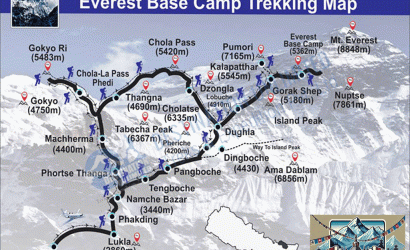
Gokyo Lakes Trek map