
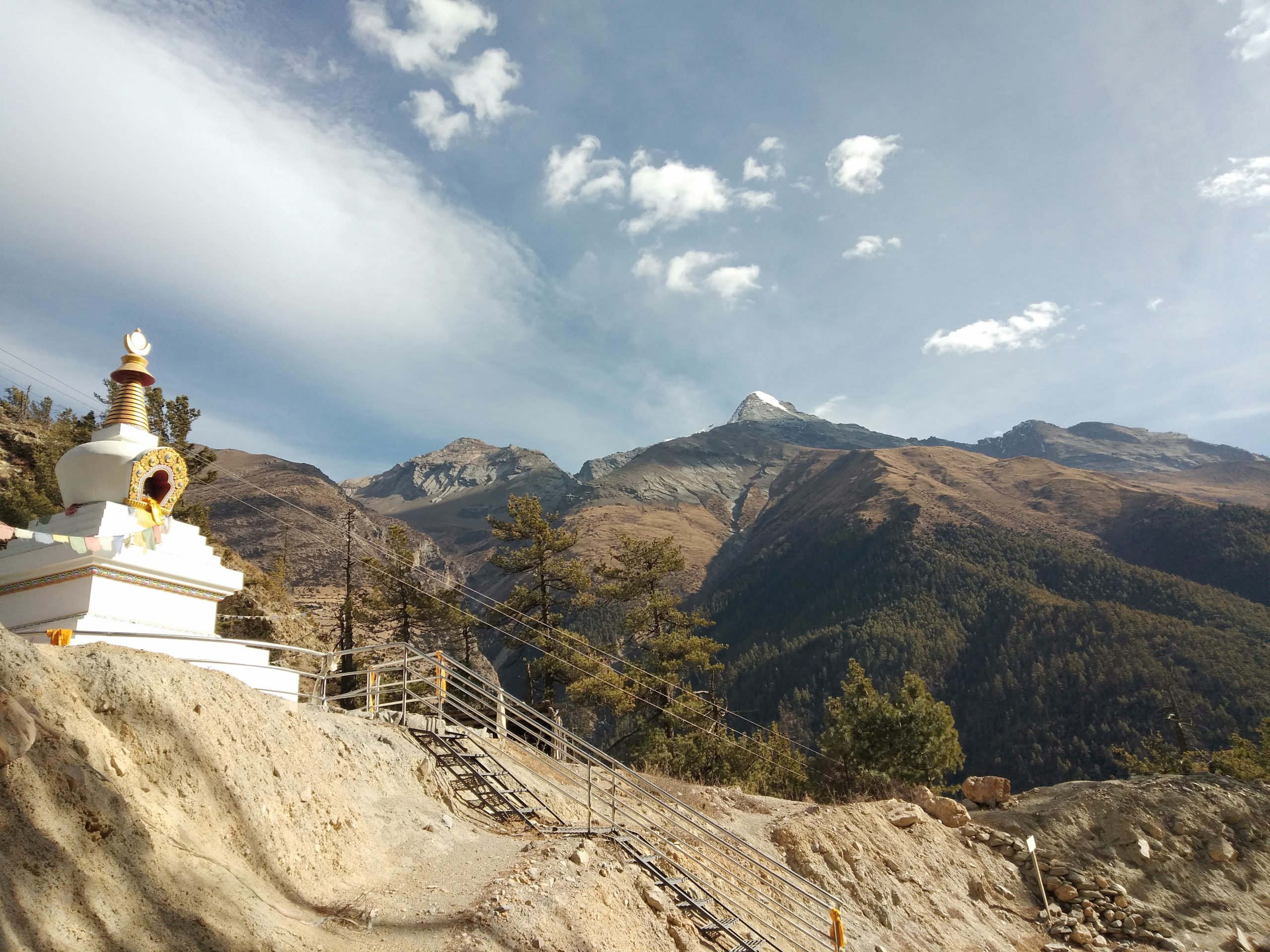
The Dolpo Region Trek is one of Nepal’s most remote, untouched, and culturally rich trekking destinations. Located in the far north-western Himalayas near the Tibetan Plateau, Dolpo offers a rare combination of dramatic high-altitude landscapes, ancient Tibetan culture, sacred monasteries, and pristine wilderness. Due to its isolation and restricted status, trekking in Dolpo feels like stepping back in time.
"Location and Geography"The Dolpo region lies within Dolpa District of Karnali Province and borders Tibet to the north. It is divided into Lower Dolpo and Upper Dolpo, with elevations ranging from about 2,500 meters to over 5,300 meters at high passes. The landscape is distinctly trans-Himalayan, characterized by dry valleys, barren cliffs, alpine meadows, and snow-covered peaks.
"Cultural and Religious Significance"Dolpo is home to the Dolpo-pa people, whose lifestyle and culture are closely connected to Tibet. The dominant religion is Bon Buddhism, one of the oldest spiritual traditions in the Himalayas, alongside Tibetan Buddhism. Ancient monasteries, mani walls, prayer flags, and chortens define the region’s spiritual atmosphere.
One of the most important cultural sites is Shey Gompa, near the sacred Crystal Mountain, which attracts pilgrims during religious festivals held every 12 years.
“Major Trekking Routes in Dolpo”
01: Lower Dolpo Trek – A popular route featuring Shey Phoksundo Lake, Phoksundo National Park, and traditional villages.
02: Upper Dolpo Trek – A challenging high-altitude trek crossing multiple passes and remote settlements.
03: Shey Phoksundo Lake Trek – Shorter option focusing on the region’s most iconic landmark.
04: Dolpo to Mustang Trek – A long and adventurous trans-Himalayan crossing for experienced trekkers.
"Shey Phoksundo National Park"Established in 1984, Shey Phoksundo National Park is Nepal’s largest national park. It protects rare wildlife such as the snow leopard, blue sheep, Himalayan wolf, and musk deer, along with diverse alpine flora. The park also preserves Dolpo’s cultural heritage and traditional villages.
"Trekking Difficulty"01: The Dolpo Region Trek is considered challenging due to:
02: Long trekking days.
03: High altitude passes above 5,000 meters.
04: Limited accommodation and facilities.
05: Remote trails with minimal infrastructure.
It is best suited for experienced trekkers with good physical fitness and prior high-altitude trekking experience.
"Best Time to Trek Dolpo"The ideal seasons for trekking in Dolpo are:
01: Spring (April–June) – Clear skies, blooming alpine flowers.
02: Autumn (September–October) – Stable weather and excellent mountain views.
Dolpo lies in the rain shadow of the Himalayas, making it possible to trek even during the monsoon season, though access flights may be affected.
"Permits Required"Dolpo is a restricted trekking area, requiring special permits:
01: Upper Dolpo Restricted Area Permit.
02: Lower Dolpo Restricted Area Permit.
03: Shey Phoksundo National Park Entry Permit.
Trekking must be organized through a licensed Nepali trekking agency.
"Accommodation and Facilities"Accommodation is mainly in basic teahouses in Lower Dolpo and camping treks in Upper Dolpo. Facilities are very limited, with simple meals and minimal communication services, adding to the adventure and authenticity of the trek.
Why Choose Dolpo Region Trek?01: One of Nepal’s least explored trekking regions.
02: Deeply preserved Tibetan culture and Bon religion.
03: Spectacular trans-Himalayan landscapes.
04: Sacred lakes, monasteries, and ancient trade routes.
05: True wilderness and off-the-beaten-path adventure.


